

Our home composting system has been in operation for about 15 years and has grown and evolved along the way. Starting with a rectangular Worm Café picked up at a Council clean-up, our family began removing food scraps from landfill with the support of worm farming workshops delivered by Pete Rutherford at Kimbriki Eco House & Garden.
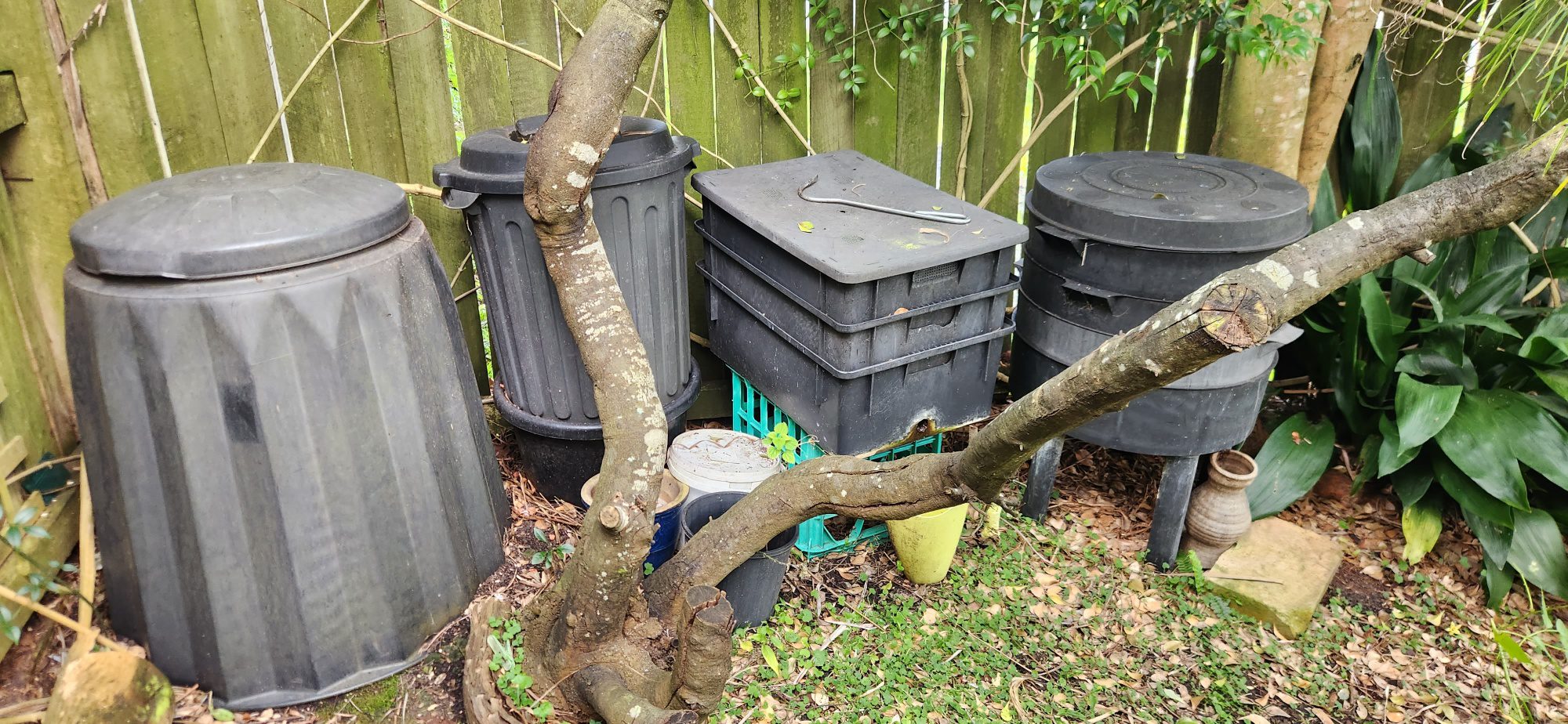
As my confidence and knowledge grew, along with my involvement in school composting and worm farm systems, so did our home system. We incorporated a Worm Buffet into our veggie garden bed, purchased a compost bin to accommodate some of our garden waste as well as food scraps, and found a round worm farm at another Council clean-up.
All of our household food scraps go into this system, meaning that no organic material from our house has gone to landfill for the last 15 years. Instead, we’re reducing the amount of organic waste we send to landfill and returning valuable nutrients and carbon to our garden soils through this simple form of carbon farming. Hopefully, this will go some way towards offsetting a visit back to family in the UK. It feels like a very small action that we can take to make a difference.
We have a food scraps pot on the kitchen bench and an under-sink bin system that allows us to separate paper/cardboard; mixed containers – glass, metal and hard plastic; and soft plastics for return to the supermarket. We also have a glass jar for collecting rubber bands, another for bottle tops for a school reuse project, a jar for small pieces of foil to be rolled into a tennis-ball-sized ball and placed in mixed containers, and a jar for plastic bread bag tags for recycling.
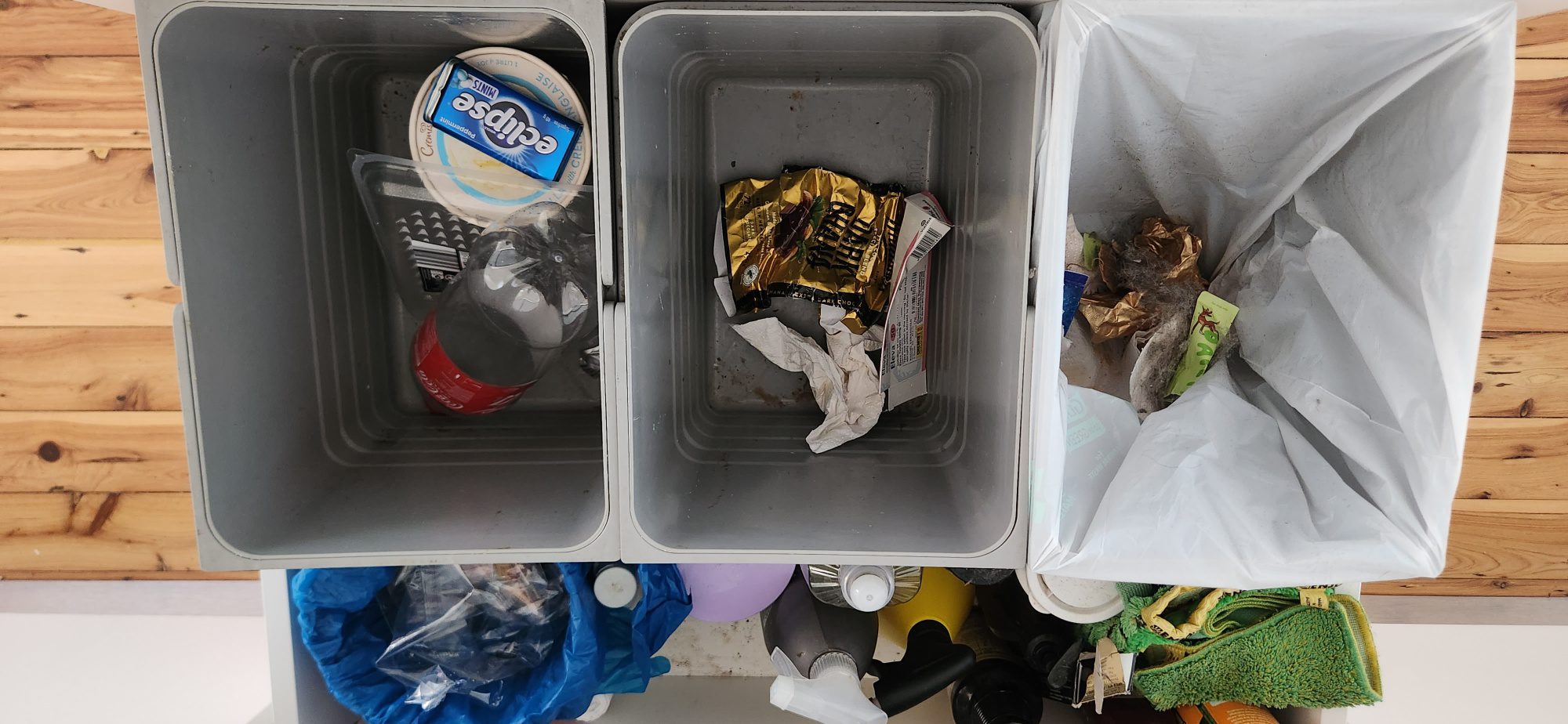
All of this helps our household of four – two adults and two teenagers – reduce our landfill waste to just one small bag per week in our red bin. Everyone in the house does their bit to separate waste at the source and place it into the correct receptacle.
When Mumma Bear is away, the team steps up to take the food scraps out to the worm farms or compost bin and follow the easy steps we share in our educational material on the Kimbriki Resource Hive.
The ADAM principles have helped us so much in managing any bumps along the way and ensuring we have adequate decomposers in our compost and worm farms:
Aliveness – ensuring there is plenty of life in our compost and worm farms.
Diversity – mixing in a variety of ingredients that all originally come from the soil.
Aeration – turning our compost with our turning tool on a weekly basis and whenever we add fresh scraps.
Moisture – keeping our worm farms and compost moist to support diversity of life and high levels of decomposition.
They are fairly self-sustaining systems once established, and I don’t believe I spend more than 30 minutes a week managing them all.
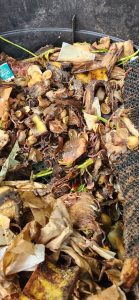
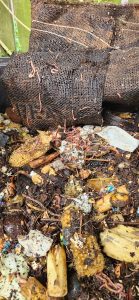
It’s time to connect with where our food comes from, responsibly manage a stream of our household waste that requires no transportation or energy to process, and fine-tune the Bingo wings!
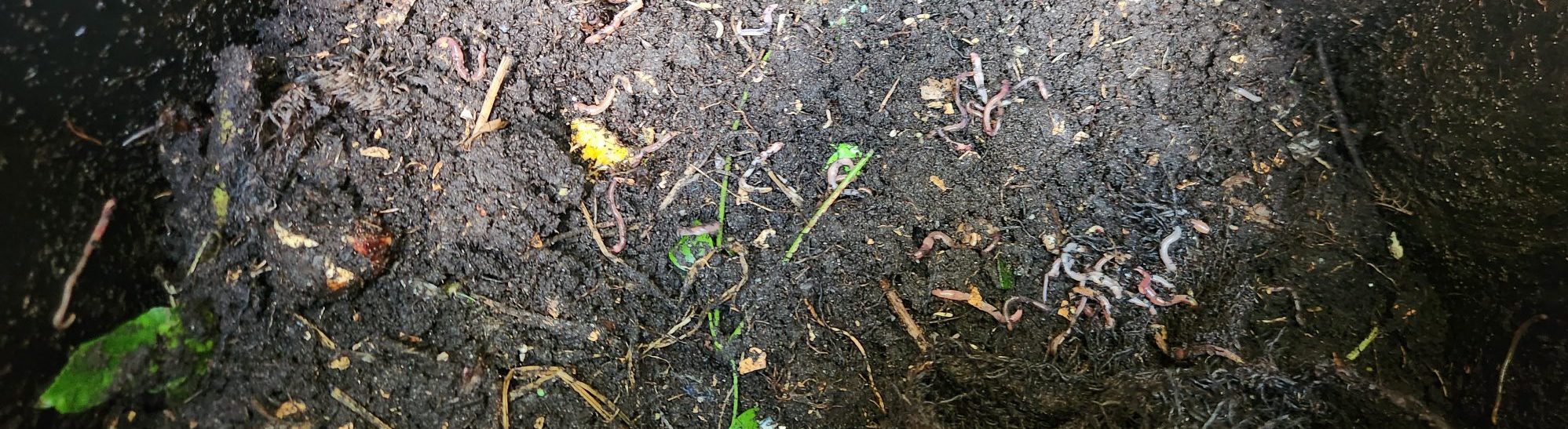
Happy Composting!